
Adults-only functions: saying 'no kids' without causing offence
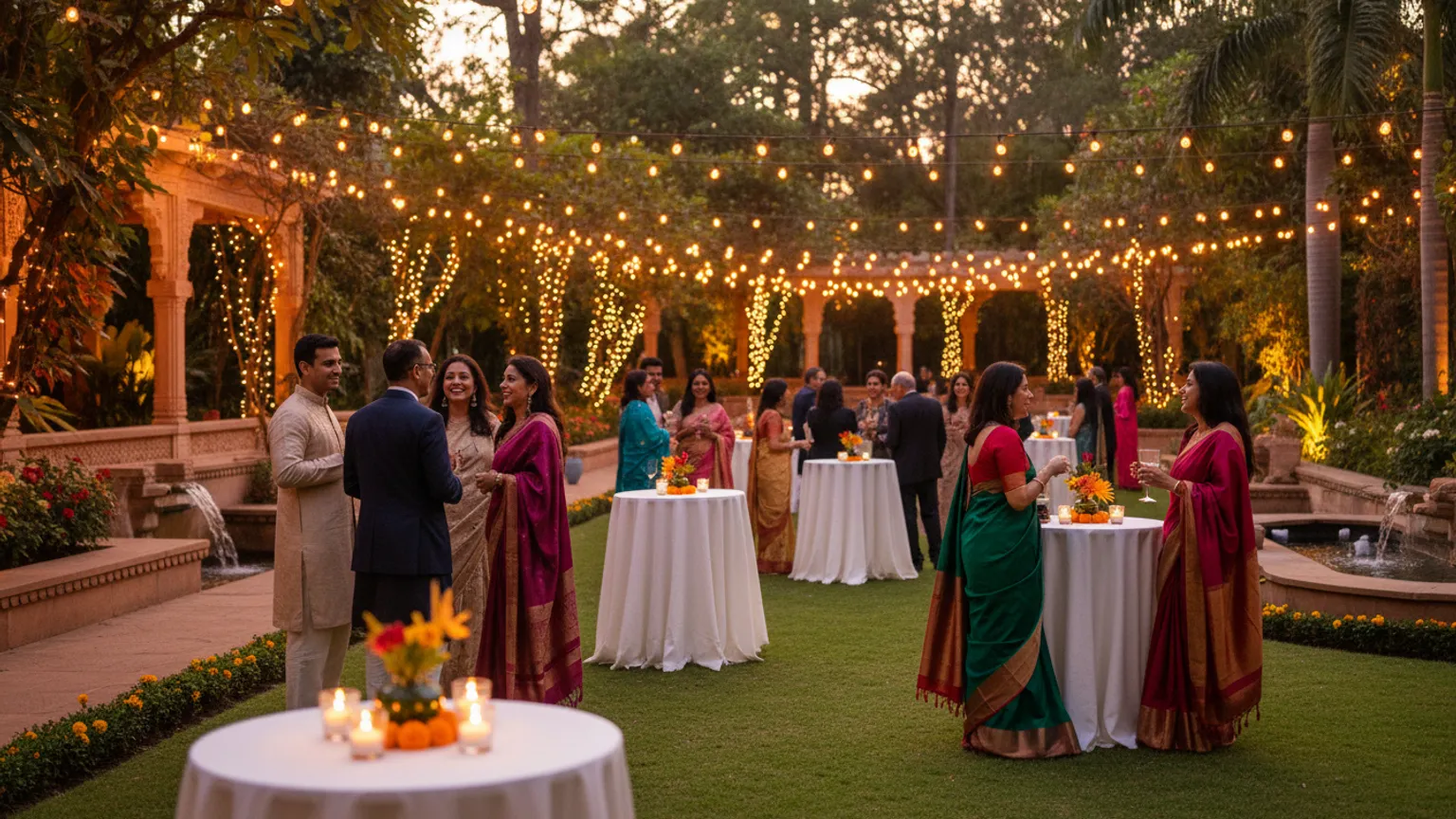
The first time I tried to host an adults-only evening, I chickened out of saying it. It was a 30th-birthday dinner for a close friend — a proper sit-down, one long table, wine, the kind of loud grown-up conversation that doesn't happen with nine kids doing laps around the chairs. I wanted exactly that room. But when I wrote the WhatsApp invite my nerve failed, and I typed "family sabko lekar aana!" because it felt rude not to. Four toddlers, two tired babies and one over-sugared six-year-old later, the "adults-only dinner" was a birthday party with a bar. Lovely evening, wrong evening.
Here's what I've learned since: in India, "no kids" is one of the hardest sentences to say, and one of the most misunderstood. To a lot of families, a function is the kids — you don't leave your children at home to go celebrate. So when you signal an adults-only event, you're not just managing a headcount, you're pushing against a cultural default. Do it clumsily and you sound cold, even snobbish; do it well and nobody's offended — they just quietly arrange things. This is the piece I wish I'd had that week: how to say it, who to say it to, and when "no kids" is the wrong call entirely.
First, decide if you even mean it
Before the wording, the honest question: is this genuinely an adults-only function, or are you just nervous about numbers? The two need different fixes. There are real reasons to keep an event child-free, worth being clear about in your own head first:
- The venue or format demands it — a late-night rooftop, a cocktail reception, a wine dinner, a bar-heavy sangeet after-party. Places and timings that genuinely don't suit small children.
- The vibe is the point — a milestone birthday, a friends' reunion, a couples' anniversary dinner. You want grown-up conversation, not a play area.
- Space is truly tight — a 20-seat private room simply cannot become 35 with kids and prams.
And there are bad reasons — where "no kids" is a blunt instrument for a different problem:
- You actually just want a smaller number — that's a guest-list problem, not a kids problem (when guests bring extra people covers the honest version).
- You're worried about per-plate cost (kids often eat little; this rarely saves what you think).
- One child is difficult, so you're banning all children to avoid naming one family — this always backfires.
If it's a bad reason, drop the "no kids" framing — it'll cost more goodwill than it's worth. If it's real, own it and communicate it early. Half-committing is what burns you: you hint, some families bring kids, others don't, and the ones who left theirs home feel singled out.
The golden rule: give a reason that isn't about the kids
The single biggest shift in getting away with an adults-only event: never frame it as "children are not welcome." Frame it as a property of the event. Nobody argues with a format; people bristle at exclusion. Compare:
❌ "Please don't bring children."
✅ "It's a late-night grown-up dinner, so we're keeping it adults-only this time — hope the kids give you a night off! 🙂"
Same rule, opposite temperature. The second blames the timing and format, adds genuine warmth ("a night off"), and signals a one-off ("this time"), not a permanent policy against someone's family. That "this time" does a lot of quiet work — it promises the next big celebration will have everyone.
Good reasons to lean on, all true and all impersonal: timing ("it's a late one, past most kids' bedtime"), venue ("the rooftop isn't really a kids' space"), format ("a sit-down dinner, we want everyone relaxed at the table"), occasion ("just the grown-ups this once"). None of these say "we don't want your children." They say "this evening isn't built for children" — a fact about your event, not a judgement on their parenting.
Who to tell, and how personally
Adults-only messaging fails when it's dropped once in a group and left to be interpreted. The families most likely to bring kids are the ones who'll assume the rule doesn't apply to their well-behaved child. The channel matters as much as the words.
| Guest type | Risk of misunderstanding | How to tell them |
|---|---|---|
| Close friends, no kids | None | Casual mention in the group is fine |
| Friends with young kids | High — they assume kids come | Personal message, warm, with the "night off" framing |
| Cousins / extended family | Very high — family = kids by default | A personal call or voice note from you, not text alone |
| Elders (parents, in-laws) | They may find it odd or rude | Explain in person first, get them on your side to relay it |
| The one family with a baby | Genuine logistics (feeding, sleep) | Talk to them directly; offer a real exception if needed |
The pattern: the higher the cultural expectation that kids come, the more personal the channel. A blanket line works for your child-free friends; for the cousin whose two kids go everywhere, that same line in a group reads as "surely not us." Saying it warmly, one to one, is more effort — and it's the difference between a clear event and a doorway argument.
Copy-paste scripts (English and Hinglish)
Edit the names, send from your own number. Each one leans on format, not exclusion.
The friendly group line (English + Hinglish):
"One small thing — it's a late grown-up dinner, so we're keeping this one adults-only. Get a babysitter, order the kids some pizza, and come have an actual uninterrupted conversation with us 😄 [details/link]"
The warm personal note to a family with kids (Hinglish):
"[Name], ek chhoti si baat — yeh dinner thoda late aur grown-up type ka hai, toh humne isse adults-only rakha hai bas is baar. Bachchon ko ghar pe rest karne do, aur aap dono aaram se aao 🙂 Agli badi function mein toh poora parivaar chahiye hi!"
The elder / relative version, softer and more explanatory (Hinglish):
"[Name], iss baar function raat ka aur thoda chhota rakh rahe hain, sirf bade log — venue bhi bachchon ke liye theek nahi hai. Aap zaroor aaiye, bas bachchon ka intezaam ghar pe ho jaaye toh better rahega. Bura mat maaniyega, agli baar sabko bulaayenge 🙏"
When someone asks "bachche aa sakte hain?" — hold the line kindly:
"Bahut sochne wali baat nahi hai — bas yeh ek adults-only evening hai, toh iss baar bachchon ko chhod aana. Aap aao, enjoy karo, aur next celebration mein unko zaroor laana! 🙌"
Every script does two things: gives a non-kid reason, and promises inclusion next time. That second half keeps the relationship warm. You're not closing a door, you're closing it for one evening.
The exceptions you should make on purpose
Being clear is kind; being rigid is not. A few exceptions aren't "breaking your own rule" — they're good hosting, and making them privately keeps the event clean.
- Breastfeeding mothers and babies-in-arms. A three-month-old isn't the "kids running around" problem you're solving. Tell that mother privately: "Obviously [baby] is welcome, don't even think about it."
- Outstation family with no childcare. A cousin who's travelled from another city may literally have nowhere to leave their child. Offer a quiet solution — "bring them, we'll sort a corner" — rather than forcing a no.
- Kids old enough to be part of it. A 14-year-old at a family dinner isn't three toddlers. "Adults-only" usually means "not small children"; say so if asked.
The key is that exceptions are individual and private, never announced. Post "no kids (except babies)" publicly and everyone re-litigates where the line is. Quietly telling one nursing mother she's fine, while the group message stays "adults-only," keeps the event coherent and the kindness intact.
When "no kids" is simply the wrong choice
Sometimes the most honest move is to abandon the idea entirely. Don't attempt adults-only when:
- It's a daytime family function — a griha pravesh, a puja, a naming ceremony, a first birthday. Kids are structurally part of these; "no children" at an annaprashan is almost a contradiction in terms.
- The whole point is the extended family. If Grandma is coming to see her great-grandchildren, you cannot ask those children to stay home.
- Most of your list is young parents with no local support. If "no kids" effectively means half your guests can't come, you don't have an adults-only event, you have an empty one. Change the format instead — a brunch, an earlier slot, or embrace the kids and plan for them the way I laid out in kids' birthday party math.
There's no shame in a full-family function. Some of the warmest evenings I've hosted were loud with children. Adults-only is a specific tool for a specific kind of night — not a status symbol.
A checklist before you send the invite
- Confirm your real reason is format/venue/occasion — not a hidden guest-list or budget worry.
- Decide it fully — no half-hinting, since inconsistency is what offends.
- Frame every message around the event ("late grown-up dinner"), never the children.
- Tell high-risk families (young kids, cousins) personally, not just in the group.
- Get the elders on side first so they relay it, not resist it.
- Pre-decide your exceptions (babies, outstation family) and offer them privately.
- Add "this time / next time" so it reads as a one-off, not a permanent exclusion.
- Set a clear RSVP so you know your adult headcount for real — timing matters, see setting an RSVP deadline without sounding rude.
Where a little structure helps (and where it doesn't)
The awkward part of adults-only isn't the announcement — it's tracking who understood it. Send one group message and you can't tell who's coming as two adults and who's quietly planning to bring three kids, until they arrive. Giving each guest their own confirmation — a private yes/no with an explicit adult headcount — makes the rule land person by person. That per-guest clarity is part of what we're building at Inyeet; the flow is on the how it works page. It won't write the warm note to your cousin for you, but it does stop the "wait, how many are you?" confusion at the gate.
Honestly, for a ten-person friends' dinner where everyone already gets it, you need none of this — a message and a couple of calls will do. Structure earns its place only when the list is big enough that you can't track who understood the rule in your head.
The takeaway
Saying "no kids" in India isn't rude — saying it carelessly is. Blame the format, not the family. Tell the people who'll assume otherwise personally, promise them the next big celebration will have everyone, and make your exceptions quietly. Get that right and an adults-only evening doesn't cost you a single relationship — it just gives you the grown-up night you actually wanted. And if, halfway through writing the invite, you realise the kids are the point — that's not a failure. That's just a different, louder, lovelier party, and there's nothing wrong with hosting that one instead.
If keeping your adult headcount honest in one place sounds useful, we built an Android app for exactly this kind of thing. It's on Google Play and free to use — get it here.
Related reading
The forwarded-invite problem: who's actually coming to your event?
One invite you sent to 40 people quietly reaches 200. Why WhatsApp forwarding breaks your headcount — and how to keep an honest guest list without seeming rude.
When guests bring extra people: preventing the +4 surprise politely
The 'haan aa rahe hain' that quietly becomes six people. How to ask headcount without sounding stingy — with WhatsApp scripts, a table and a checklist.
Following up with elders: phone-first etiquette in a link-first world
Elders won't tap RSVP links, and that's fine. Here's how to invite, follow up and count them the way they actually reply — by phone, with respect and scripts.